Travel advisors selling Africa may be fielding questions about the recently reported Ebola outbreak in the Democratic Republic of Congo, which has also spread into Uganda. While the situation is serious and should be monitored closely, it is important to put the news in context for clients.
According to NBC News, the outbreak has grown to nearly 500 suspected cases and 116 deaths, and the World Health Organization has declared it a public health emergency of international concern. The outbreak is being driven by Bundibugyo ebolavirus, a less common species of Ebola for which there is currently no approved vaccine or specific treatment.
For North American travelers, health officials continue to emphasize that the broader risk remains low. There are no reported cases in the United States, and the CDC has stated that the threat to the U.S. remains low. One American who contracted the virus while working in DRC is being transported to Germany for treatment, while six other Americans are being sent there for observation.
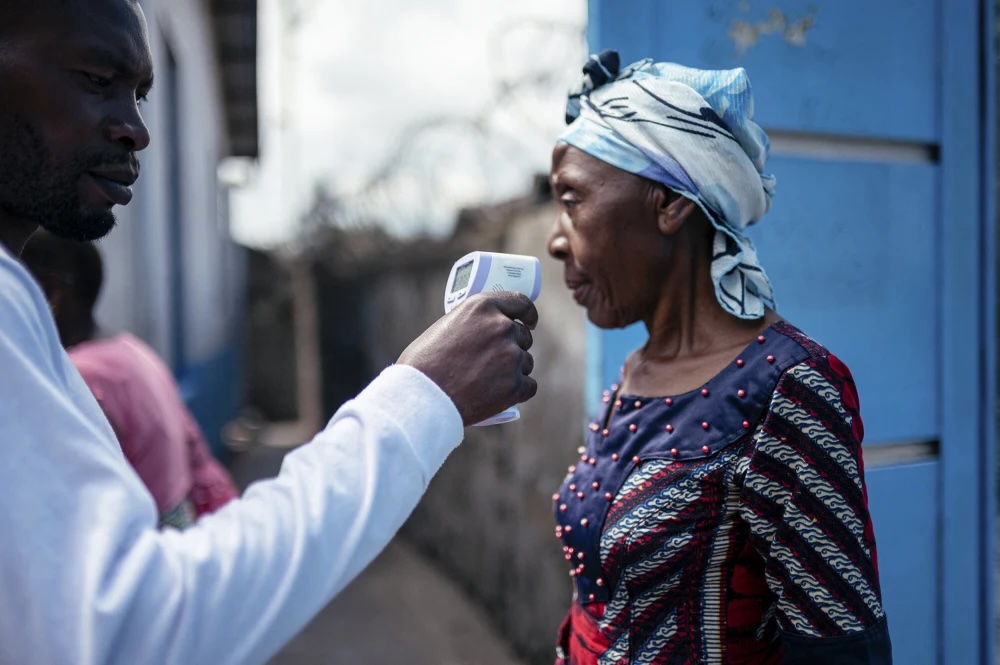
For advisors, the key message is not to create unnecessary alarm, but to be informed and prepared. Ebola does not spread casually through the air. It is transmitted through direct contact with blood or bodily fluids, contaminated surfaces, or through handling the bodies of people who have died from the virus. Travelers should avoid affected areas, follow official health guidance, and seek immediate medical attention if they develop symptoms after a potential exposure.
Africa remains a vast and diverse continent, and travel to most destinations is not affected by this outbreak. Advisors should avoid broad generalizations and instead speak specifically about geography, routing, and current guidance for the countries or regions their clients are visiting.
APTA encourages travel professionals to stay current with guidance from the CDC, WHO, tour operators, airlines, and local destination partners, and to communicate calmly and accurately with clients who may have concerns.