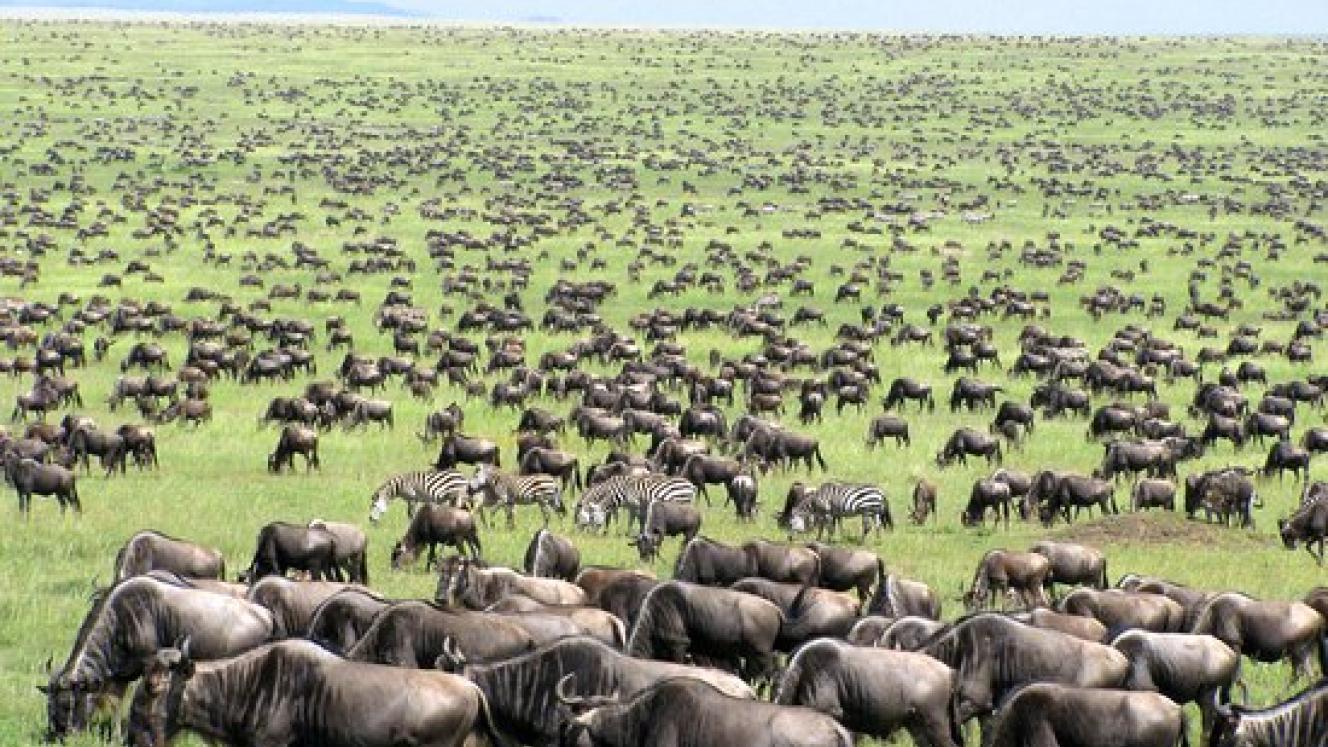
The 2026 Great Migration season in Kenya’s Maasai Mara is unfolding with steady visitor demand, strong wildlife sightings and cautious optimism among tourism operators even as concerns grow about environmental pressures, infrastructure gaps and changing global travel trends.
Unlike previous peak seasons, which saw sharp spikes in last minute bookings, this year’s migration has seen more deliberate travel planning with visitors booking earlier and placing greater emphasis on value, exclusivity and sustainability.
Joseph Kithitu, Managing Director of Hemingways Travel, said: “From our observations this year, the migration season has been relatively positive although bookings have been more measured than in some previous peak years. Demand remains healthy but travellers are planning further ahead and they are more price-conscious and increasingly looking for experiences that offer value alongside quality.”
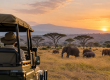
Within the Maasai Mara ecosystem, operators report favourable wildlife activity with herds steadily arriving from Tanzania’s Serengeti and game viewing remaining consistently strong.
Bainito Musumba from Private Safaris said: “The season has started well. Most accommodation facilities are running at over 75% occupancy. Wildlife sightings are also excellent.”
However, Musumba warned that rapid population growth around the reserve’s main access points, particularly Sekenani and Talek, is placing increasing pressure on the fragile ecosystem.
“The population around Sekenani and Talek is expanding by the day,” he said. “Population growth demands amenities like sewage systems and garbage collection yet these services are still inadequate in these rapidly growing areas around the Mara.”
He cautioned that, unless county governments, national agencies and conservation organisations work together to improve infrastructure and land-use planning, human settlement could gradually erode the ecological integrity that makes the Mara globally renowned.
Musumba also pointed to emerging changes in wildlife behaviour, saying habitat fragmentation and increasing livestock grazing are contributing to more frequent territorial conflicts among wild animals.