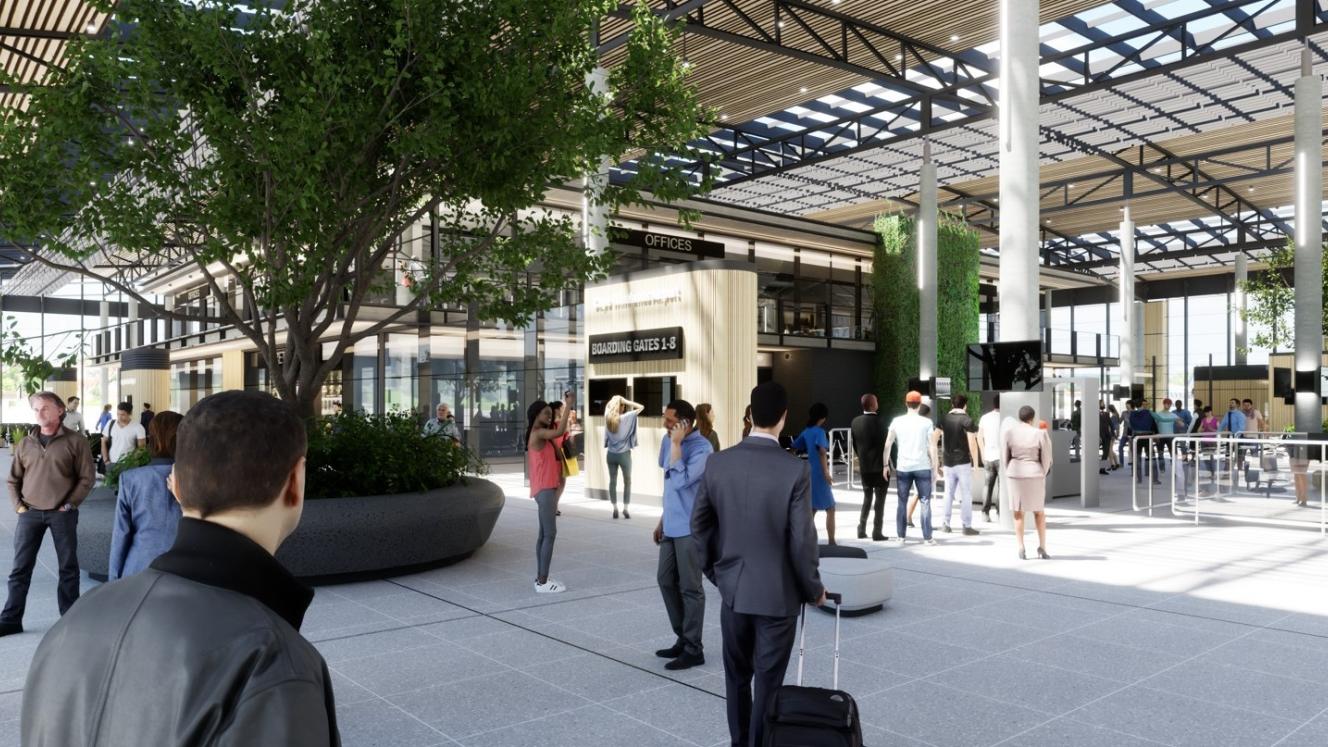
The Cape Winelands Airport has cleared a major regulatory hurdle after the Western Cape Department of Environmental Affairs and Development Planning concluded the appeals process for the project’s environmental authorisation, paving the way for the development to move closer to construction.
The airport project received environmental authorisation in October last year following an extensive environmental assessment and public participation process.
However, the development’s progression depended on the outcome of appeals lodged by neighbouring landowners and other interested parties, including concerns about noise impacts.
Deidre Davids, spokesperson for Cape Winelands Airport, told Tourism Update that the appeals process has formally concluded.
“The Minister for Local Government, Environmental Affairs and Development Planning has dismissed all remaining appeals. He has now issued the final ruling, bringing the appeals process to a close,” she said.
According to Davids, approximately 1 500 interested and affected parties were registered during the environmental assessment process and could participate and submit input.
“Following the granting of the environmental authorisation, six appeals were lodged. One appellant subsequently withdrew an appeal, leaving five appeals for consideration by the minister, which have all been dismissed.”
The project previously targeted a late-2026 construction start while aiming for the airport to open in 2028.
Davids said the development team is now preparing for the next phase.
“Together with its professional team and appointed contractors, Cape Winelands Airport is progressing detailed planning, design refinement and construction readiness activities required to advance the development.
“The project team’s aspiration remains to commence construction towards the latter part of this year or early next year, subject to the completion of the necessary preparatory processes.”
The airport development is expected to serve the Cape Winelands region and broader Western Cape tourism economy with proponents positioning the project as a catalyst for improved regional connectivity and investment.